Writing rarely happens in a perfect environment. Notifications interrupt focus. Drafts pile up across multiple apps. Deadlines creep closer while unfinished ideas sit in scattered notes and browser tabs. Many writers spend more time switching between tools than actually producing words. A daily productivity dashboard changes that experience by creating one organized workspace for planning, drafting, tracking, and maintaining momentum throughout the day.
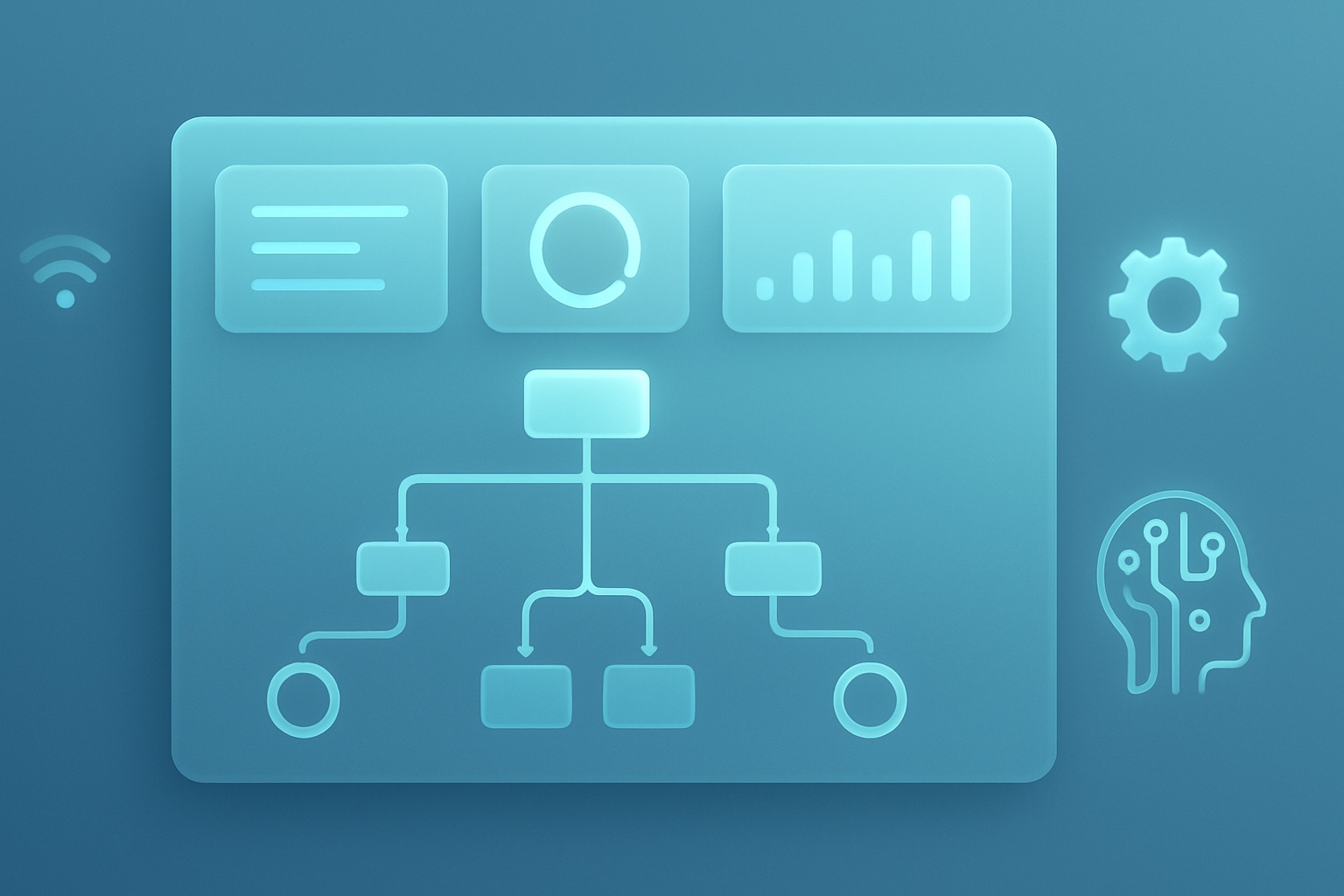
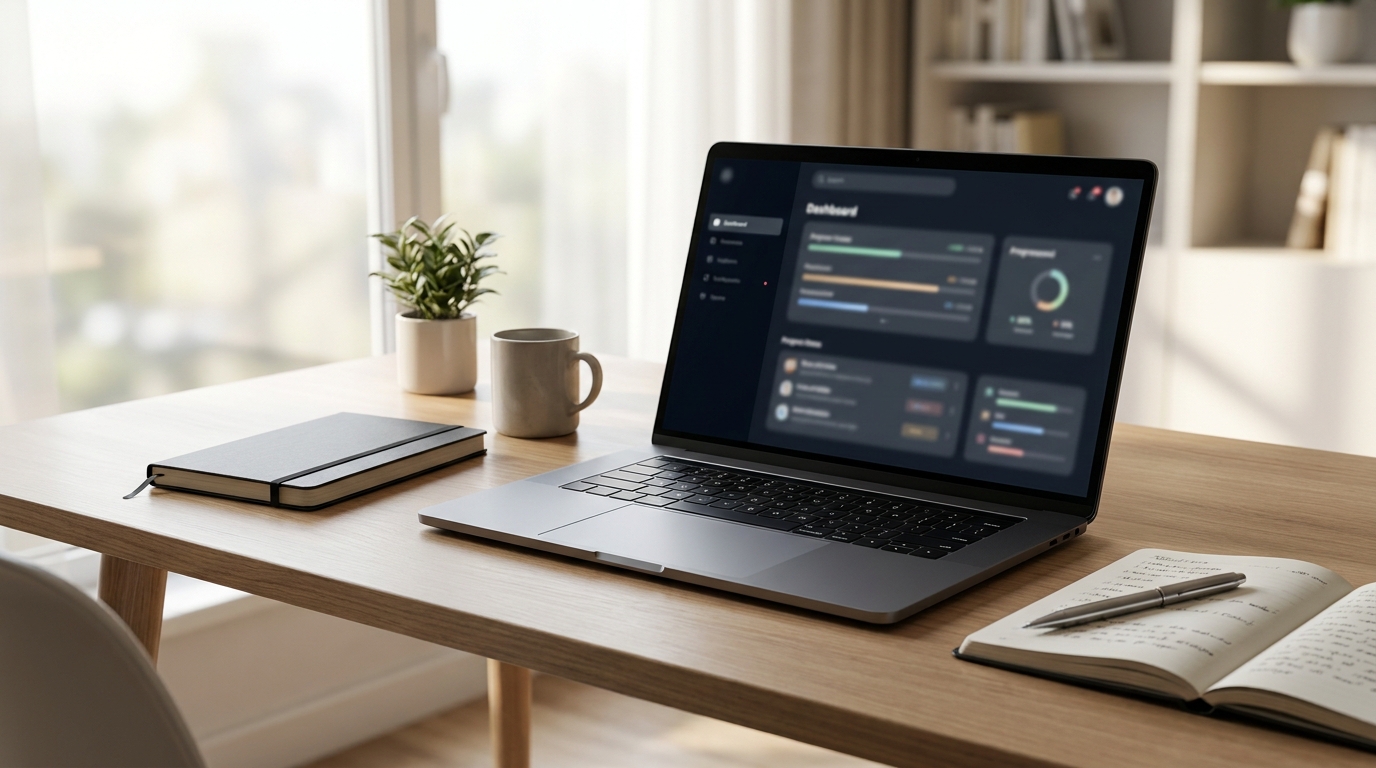
Modern writers often juggle blog posts, newsletters, essays, scripts, client projects, and research at the same time. Without structure, creative energy gets wasted on remembering tasks instead of producing meaningful work. A dashboard gives writers a visual command center where schedules, writing goals, timers, notes, and progress trackers live together in one place. Platforms offering a personalized dashboard can simplify this process by combining multiple productivity widgets into a single workspace that stays accessible throughout the day.
Quick Summary
- Writers can reduce distractions by centralizing tasks and writing tools.
- Dashboards help track habits, deadlines, and daily word count goals.
- Pomodoro timers and task boards improve consistency during writing sessions.
- Visual organization lowers mental clutter and supports creative focus.
- Simple systems usually work better than overloaded productivity setups.
Why Writers Benefit From a Centralized Workspace
Many writers operate across fragmented systems. Notes may live in one app while outlines remain inside cloud documents and research gets buried in browser bookmarks. Every context switch drains concentration. Even small interruptions slow down writing rhythm and make it harder to return to a creative flow state.
A centralized dashboard creates structure around the writing process. Instead of opening ten separate tabs every morning, writers can begin their day with one organized screen containing their priorities, timers, calendars, project boards, and draft goals. This setup reduces friction and creates a smoother transition into focused work sessions.
Consistency matters more than bursts of motivation. Writers who build daily writing routines usually maintain output longer than writers relying on inspiration alone. A dashboard supports that routine by making goals, tasks, timers, and progress visible each day, helping consistency become part of the creative process instead of an occasional achievement.
The Core Elements Every Writing Dashboard Should Include
An effective productivity dashboard does not need dozens of complicated widgets. Most successful writing setups focus on clarity and simplicity. Writers should build around the tasks they repeat every day rather than trying to create an all purpose operating system.
Several components consistently provide value for writers who want stronger organization and focus.
-
Daily writing goals
A visible word count target or session target keeps attention directed toward output. Simple goals often work best because they create momentum without becoming intimidating. -
Task management
Writers handle editing, outlining, publishing, pitching, and research alongside drafting. A lightweight task board prevents important responsibilities from getting lost. -
Pomodoro timers
Timed focus sessions help writers maintain concentration while avoiding burnout during long creative blocks. Many writers keep a Pomodoro timer directly inside their dashboard to stay focused during drafting and editing sessions. -
Quick notes section
Ideas appear unexpectedly. A fast capture system prevents inspiration from disappearing before it can be developed later. -
Calendar visibility
Deadlines, client meetings, and publishing schedules become easier to manage when visible alongside active projects.
How Visual Organization Reduces Mental Fatigue
Creative work already requires significant mental energy. Writers constantly make decisions involving structure, tone, pacing, clarity, and storytelling. Extra organizational chaos adds unnecessary cognitive pressure. Visual organization helps reduce that load.
A dashboard creates spatial consistency. Writers know where their goals appear. They know where unfinished tasks live. They know where timers and notes exist. This familiarity lowers mental resistance because the system becomes predictable and easy to navigate every day.
Research from the American Psychological Association has repeatedly highlighted how stress and distraction influence productivity and concentration. Writers dealing with constant interruptions often struggle to sustain deep focus for extended periods. Organized environments support more efficient attention management and stronger creative endurance.
Useful Dashboard Features for Writers
| Feature | Purpose | Benefit for Writers |
|---|---|---|
| Word Count Tracker | Tracks daily progress | Creates accountability and momentum |
| Pomodoro Timer | Encourages focused sessions | Reduces procrastination |
| Kanban Board | Organizes projects visually | Keeps assignments manageable |
| Habit Tracker | Measures consistency | Builds long term discipline |
| Research Notes Widget | Stores quick references | Speeds up drafting sessions |
Creating Morning and Evening Writing Routines
A dashboard becomes more effective when connected to repeatable routines. Writers often waste productive hours deciding what to work on first. Structured routines remove that uncertainty and help the brain transition into focused creative mode faster.
Morning sessions usually benefit from clarity and momentum. Writers may start by reviewing unfinished tasks, checking deadlines, and launching a short timed writing session before opening email or social media. Even twenty focused minutes can create enough progress to reduce stress later in the day.
Evening routines serve a different purpose. Instead of producing maximum output, writers can prepare tomorrow’s workflow. Updating task boards, organizing notes, and reviewing daily word counts makes it easier to resume work without hesitation the following morning.
Many writer productivity tips focus on reducing startup friction and creating smoother creative workflows. A dashboard supports that approach because everything needed for the next writing session already exists in one organized environment.
Balancing Creativity With Structure
Some writers avoid productivity systems because they fear becoming overly rigid. Creative work still requires flexibility. A dashboard should support creativity instead of controlling it. The goal is not to turn writing into mechanical labor. The goal is to remove unnecessary distractions so creativity has more room to operate.
Writers can customize dashboards differently depending on their style. Fiction writers may prioritize scene tracking and character notes. Freelance writers may focus more heavily on deadlines and client management. Academic writers may prefer citation tracking and research organization.
The most useful systems usually remain adaptable. Writers should refine layouts gradually based on daily experience. If a widget never gets used, remove it. If notes become difficult to locate, reorganize the structure. Dashboards work best when they evolve naturally around real writing habits instead of theoretical workflows.
Ways Writers Can Reduce Digital Distractions
Productivity tools can easily become distractions themselves if overloaded with unnecessary features. Writers often fall into the trap of endlessly optimizing systems rather than producing actual content. A dashboard should reduce digital noise instead of adding more of it.
Several habits help maintain a cleaner writing environment:
- Limit visible widgets to the tools used daily
- Keep notifications disabled during writing sessions
- Separate research browsing from drafting time
- Use fullscreen writing modes whenever possible
- Review unfinished tasks only at scheduled times
Simple interfaces usually create stronger focus than crowded workspaces filled with competing visual elements. Writers should prioritize calm layouts with clear spacing and easy navigation.
Tracking Progress Without Obsessing Over Metrics
Metrics can motivate writers, but they can also create unnecessary pressure when handled poorly. Daily word counts are useful for measuring consistency, yet they should not become the sole definition of productive work. Research, outlining, editing, and brainstorming all contribute to stronger writing outcomes.
Dashboards help visualize progress across multiple dimensions. Instead of tracking only raw word totals, writers can monitor completed sessions, streaks, deadlines met, or hours spent in focused work. This broader perspective creates a healthier relationship with productivity.
Many successful writers produce uneven daily output. One day may involve intense drafting while another focuses entirely on editing or planning. A flexible dashboard reflects that reality without turning productivity into a rigid competition against arbitrary numbers.
How Dashboards Support Long Term Writing Projects
Large projects become overwhelming when viewed as one massive objective. Novels, research papers, ebooks, and content campaigns contain hundreds of smaller moving pieces. Dashboards help break those projects into manageable stages.
Visual task boards allow writers to separate projects into categories such as planning, drafting, revising, editing, and publishing. This creates visible momentum because progress becomes measurable even before the project reaches completion.
Long term projects also benefit from historical tracking. Writers can review how many sessions were completed each week, how deadlines shifted over time, and where productivity patterns improved or declined. This information helps refine future workflows and avoid repeating inefficient habits.
Building a Setup That Actually Gets Used
The best dashboard is not the most advanced one. It is the one writers consistently return to every day. Complicated systems often collapse after the initial excitement fades. Sustainable productivity usually comes from simple routines repeated consistently across weeks and months.
Writers should begin with only a few essential components. A task list, timer, note area, and writing goal may be enough initially. Additional features can be added gradually if they genuinely improve the writing experience.
Customization matters because every writer works differently. Some prefer highly visual systems with color coding and progress charts. Others work better with minimal interfaces containing only the essentials. The dashboard should support the writer’s natural rhythm rather than forcing an uncomfortable structure.
A More Organized Way to Protect Creative Energy
Writers spend enormous amounts of energy managing ideas, deadlines, revisions, research, and distractions at the same time. A daily productivity dashboard helps reduce that pressure by organizing the moving parts into one consistent environment. Instead of constantly searching for notes or switching between scattered tools, writers can focus more attention on the work itself.
The real value of a dashboard is not about squeezing every minute for maximum efficiency. It is about creating enough structure to support creativity without overwhelming it. Strong writing often comes from steady routines, manageable systems, and environments that encourage focus instead of fragmentation.
A thoughtful dashboard becomes part of the creative process itself. Over time, it helps writers maintain momentum, protect concentration, and approach daily writing sessions with greater clarity and confidence.